Fall Plumbing Checklist Before Illinois Winter
By Ludwig Family Plumbing · October 8, 2024 · 6 min read
Illinois winters are hard on plumbing, but most winter emergencies are preventable with a little fall preparation. Run through this checklist before the first hard freeze and you'll head off the frozen pipes, water-heater failures, and sump surprises that fill our emergency calls every winter.
Outdoor faucets and hoses
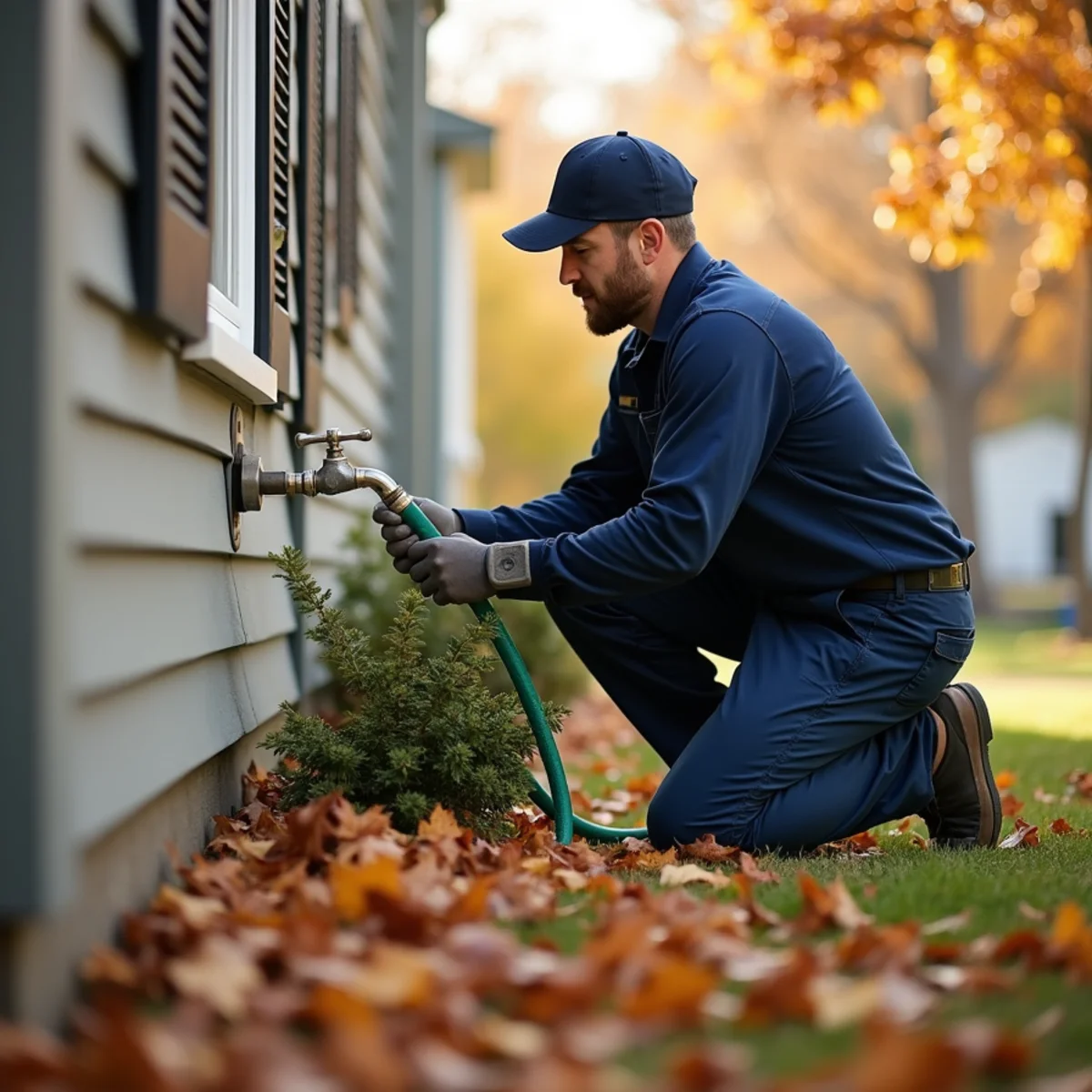
Start outside. Disconnect, drain, and store garden hoses — a hose left connected traps water in the bib, which freezes and can split the pipe back inside the wall. Shut off and drain any interior valves that feed outdoor faucets, and if you have sprinkler lines, have them blown out before the freeze.
- Disconnect and store all garden hoses
- Shut off and drain outdoor faucet supply lines
- Blow out irrigation/sprinkler systems
Insulate vulnerable pipes
Walk your basement, crawlspace, garage, and any exterior-wall plumbing and add foam pipe insulation to exposed runs. Seal drafts and air leaks near those pipes — a surprising amount of freeze damage comes from cold air pouring in through a gap right next to a pipe. This is cheap, fast, and hugely effective.
Service the water heater
Winter is when your water heater works hardest, so get ahead of trouble. On our hard water, sediment builds in the tank and shortens its life — a flush clears it, improves efficiency, and quiets the popping and rumbling of an aging unit. If your heater is over a decade old and struggling, fall is the time to replace it on your schedule rather than during a cold-weather breakdown.
Test the sump pump and backup
Winter brings its own flood risk from thaws and rain on frozen ground. Pour a bucket of water into the sump pit to confirm the pump kicks on and clears it, and test that your battery backup is holding a charge. Check that the discharge line is clear and won't freeze shut. If the pump is 7–10+ years old, replace it before you need it.
Check for leaks and know your shutoff
Fix small drips now — a minor leak becomes a bigger problem in the cold. Check under sinks, around the water heater, and at visible connections. And make sure everyone in the house knows where the main water shutoff is; in a burst-pipe emergency, seconds count, and fumbling to find the valve is the difference between a mop-up and a disaster.
When to bring in a pro
You can handle hoses, insulation, and shutoff-valve familiarity yourself. For a water-heater flush, a sump inspection, or fixing a persistent leak — or if you'd just rather have it all checked at once — a fall plumbing tune-up is inexpensive peace of mind. We're glad to run the whole checklist for you before the cold arrives.
The five minutes that prevents the worst winter call
If you do nothing else on this list, disconnect your garden hoses. A hose left on through a freeze traps water in the bib, and that ice can split the pipe back inside the wall — a hidden burst that floods when it thaws. It's the single most common preventable freeze call we run, and it takes five minutes to avoid.
After that, knowing where your main shutoff is and confirming it turns is the highest-value thing you can do. In a burst-pipe emergency, the minutes spent hunting for the valve are the minutes that flood the house.
The Bottom Line
An hour of fall prep saves a winter of emergencies. Run this checklist before the first hard freeze, and if you'd rather have it all checked at once, we're glad to handle the tune-up for you.
Need a hand from a licensed, family-owned McHenry County plumber? Call (831) 290-4327 — we're available 24/7 — or request a free quote.
How We Can Help
Serving Lake in the Hills, Woodstock, Crystal Lake and all of McHenry County.
Frequently Asked Questions
Do it before the first hard freeze — typically by late fall. Disconnect and drain hoses, shut off and drain the interior valves that feed outdoor faucets, and have any sprinkler system blown out.
A fall tune-up is inexpensive peace of mind: it catches small leaks, confirms your water heater and sump are ready, and insulates the pipes most likely to freeze. It's far cheaper than a burst-pipe emergency in January.
It's the single most important item on the list. A hose left connected traps water in the outdoor faucet, and that ice can split the pipe back inside the wall — a hidden burst that floods when it thaws. It takes five minutes to prevent.