
Plumbing for Restaurant & Retail Buildouts (McHenry Co.)
By Ludwig Family Plumbing · July 1, 2025 · 6 min read
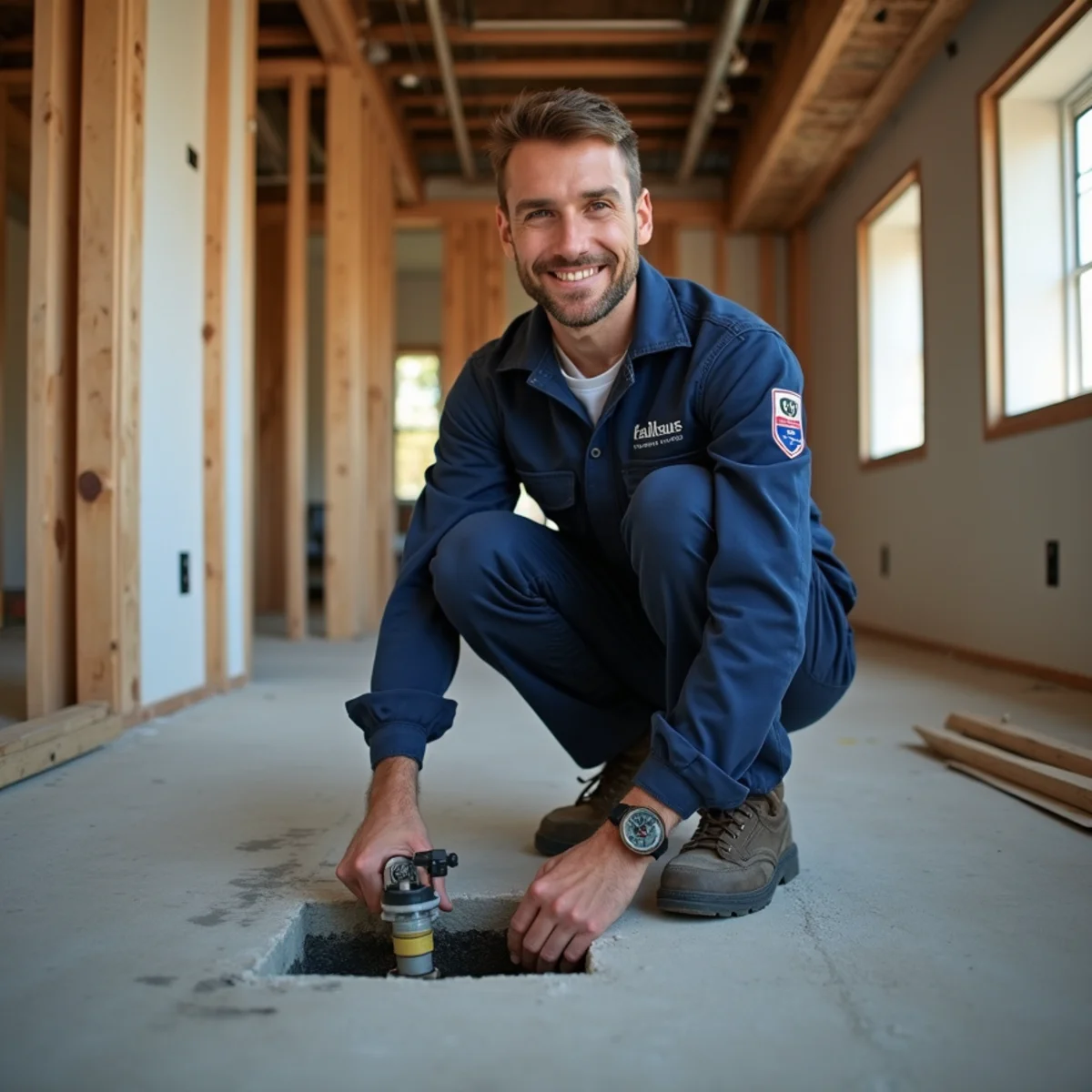
Opening a restaurant or fitting out a retail space is a race against the clock — every week before opening is a week without revenue. The plumbing is one of the parts most likely to cause delays if it's not planned and coordinated well. Here's how the plumbing side of a McHenry County buildout works and how to keep it from becoming the bottleneck.
It starts with the plans and the permits
Commercial plumbing work is driven by the plans and the code, and it requires permits and inspections. Getting the plumber involved early — while the layout is still being finalized — avoids expensive changes later, because where the drains, water lines, and gas need to go shapes the whole floor plan. Early coordination with the general contractor and other trades keeps the sequence clean.
Rough-in: the work behind the walls and under the slab
The rough-in phase is where the drains, vents, water supply, and gas lines are run before walls close up and (often) before the slab is poured. Getting this right is critical — mistakes here are the most expensive to fix later. For a restaurant, that includes drain lines sized and sloped for kitchen use, floor drains, and the connections for every fixture and piece of equipment.
- Under-slab and in-wall drain and vent lines
- Water supply to every fixture and appliance
- Gas lines sized for cooking equipment and water heaters
- Floor drains and grease-handling where required
Restaurant-specific requirements
Food-service spaces carry requirements retail doesn't. Grease-laden kitchen drains typically require a grease interceptor to keep grease out of the sewer, sized to the operation and to code. Health and plumbing inspections both apply, and fixtures like mop sinks, hand sinks, and three-compartment sinks have specific placement rules. Planning these in from the start avoids a failed inspection near opening day.
Gas, water heating, and capacity
Commercial kitchens demand serious gas and hot-water capacity. Gas lines must be sized for the total appliance load and installed by a licensed pro, then pressure-tested. Water heating has to keep up with peak demand — an undersized system means a kitchen that runs out of hot water mid-service. We size both to the real operation, not a guess.
Finish, test, and inspect
In the final phase, fixtures and equipment are set and connected, everything is tested for leaks and proper drainage, and the work is presented for inspection. A plumber who has kept the work to code throughout makes this stage smooth rather than a source of last-minute delays.
We handle restaurant and retail buildout plumbing across McHenry County and coordinate around the rest of the project so the plumbing keeps your opening on schedule. Bring us in early and we'll help you avoid the delays that catch owners by surprise.
The rough-in decisions that make or break the schedule
The most expensive buildout mistakes are made before a single fixture is set — in the rough-in, when drains, vents, water, and gas go into the slab and walls. Get the drain sizing, slope, or a grease interceptor wrong, and fixing it later means opening concrete near opening day. Getting the plumber in while the layout is still on paper is the cheapest insurance a project has.
For food service especially, the interceptor sizing, floor drains, and hand-sink placement all carry code and health requirements that inspectors check hard. Planning them in from the start is the difference between a smooth final inspection and a delayed opening.
The Bottom Line
The plumbing can keep a buildout on schedule or hold it up — and the difference is made early. Bring us in while the layout is still on paper, and we'll keep the rough-in, the code, and your opening date on track.
Need a hand from a licensed, family-owned McHenry County plumber? Call (831) 290-4327 — we're available 24/7 — or request a free quote.
How We Can Help
Serving Crystal Lake, Algonquin, Schaumburg and all of McHenry County.
Frequently Asked Questions
Most food-service kitchens require a grease interceptor sized to the operation, and it's checked at inspection. Planning it into the rough-in from the start avoids an expensive retrofit near opening day.
As early as possible — while the layout is still being finalized. Where the drains, water, and gas need to go shapes the floor plan, and early coordination prevents the costly changes that come from roughing-in the wrong locations.
Before the slab is poured and walls close — the rough-in drives the floor plan. Bringing the plumber in during design, not after, is what prevents the costly changes and inspection delays that push back opening day.