
Why Your Sump Pump Keeps Running (and How to Fix It)
By Ludwig Family Plumbing · April 22, 2025 · 6 min read
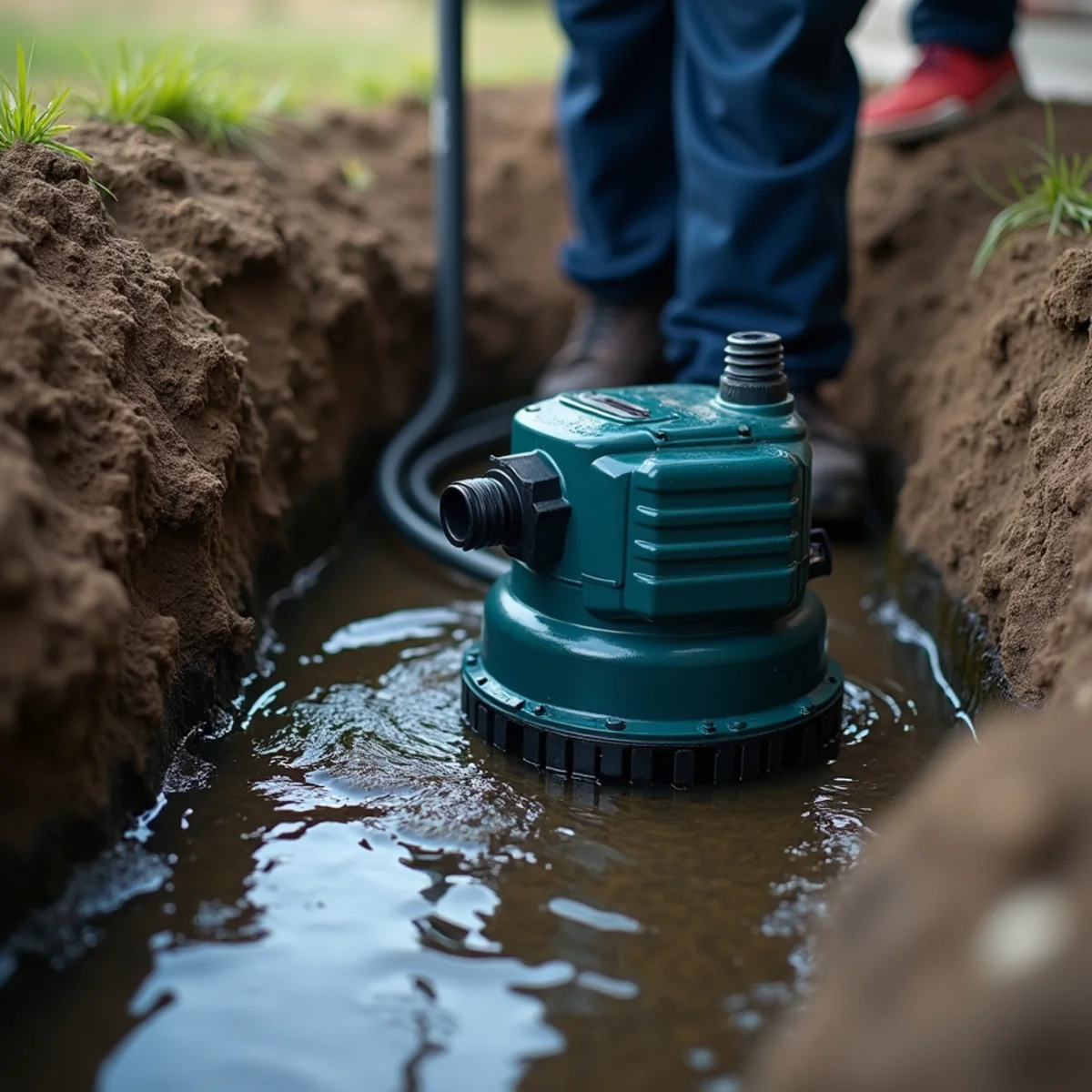
A sump pump is supposed to cycle on when the pit fills and off when it empties. When it runs constantly — or cycles on and off every few seconds — it's both a warning sign and a problem in itself, because non-stop running wears the pump out fast. Here's how to figure out why, and what to do about it.
A stuck or tangled float switch
The float is what tells the pump when to start and stop. If it's stuck against the side of the pit, tangled in the discharge line, or waterlogged, the pump can't tell that the water is gone and keeps running.
Check that the float moves freely and isn't jammed against the wall or another component. Repositioning the pump in the pit sometimes solves it. A float that's failed outright needs replacing.
A failed check valve
The check valve on the discharge line is supposed to stop pumped-out water from draining back into the pit. When it fails, the same water flows right back down, the pit refills, and the pump runs again — an endless loop. A worn check valve is a common and inexpensive fix.
The pump is undersized (or the water table is high)
If water is genuinely pouring in faster than the pump can move it, the pump may simply be too small for your home's inflow — common in low-lying and lakefront areas of McHenry and Lake counties, especially during wet seasons. The fix is a properly sized pump, and sometimes a second pump or a larger pit.
A seasonally high water table can also keep a correctly sized pump busy. If it only runs constantly during heavy rain or spring thaw, that's the water table talking.
- Check the float moves freely
- Inspect and replace a failed check valve
- Confirm the pump is sized to your inflow
- Consider a high water table during wet seasons
A leak or a stuck-open switch
Sometimes water is entering the pit from a plumbing leak nearby rather than from groundwater — worth ruling out. And a switch that's stuck in the 'on' position electrically will run the pump dry, which quickly destroys it. If the pit is empty but the pump is running, shut it off and call a plumber before it burns out.
Why this matters
A pump that runs non-stop is a pump on borrowed time — and it's most likely to fail during the next big storm, exactly when you need it. Diagnosing the cause now, and adding a battery backup while you're at it, is far cheaper than a flooded basement later.
If you can't pin down the cause or the pump is aging, have it looked at. We diagnose the actual problem rather than just swapping the pump and hoping.
How to tell a float problem from a check-valve problem
There's a fast field test. Watch a full cycle: if the pump empties the pit but the water level climbs right back up and it fires again seconds later, the check valve is letting pumped water drain back down. If the pit is already empty and the pump keeps running anyway, the float is stuck or the switch has failed.
Getting that diagnosis right saves money — a check valve is a cheap part, and so is a float, but replacing the whole pump because it 'won't stop' is the expensive wrong answer. When in doubt, unplug a pump that's running dry before it burns out, then call.
The Bottom Line
A pump that never rests is a pump on borrowed time. Diagnose whether it's the float, the check valve, sizing, or the water table now — and add a battery backup while you're at it — instead of waiting for it to quit during the next storm.
Need a hand from a licensed, family-owned McHenry County plumber? Call (831) 290-4327 — we're available 24/7 — or request a free quote.
How We Can Help
Serving Algonquin, Cary, Lake in the Hills and all of McHenry County.
Frequently Asked Questions
Yes. Constant running wears out the motor and greatly increases the chance of failure during a storm. It also signals an underlying issue — a stuck float, bad check valve, undersized pump, or high water table — that should be diagnosed.
Normal operation is short cycles — the pump kicks on for a few seconds to a couple of minutes to clear the pit, then shuts off until it fills again. Continuous running or rapid on-off cycling is not normal.
Frequent cycling during a hard storm is normal — that's the pump doing its job. Constant running that never stops, or rapid on-off cycling every few seconds, is not, and points to a float, check valve, sizing, or water-table issue.