
Deep-Freeze Winters: Protecting Illinois Pipes
By Ludwig Family Plumbing · December 10, 2024 · 6 min read
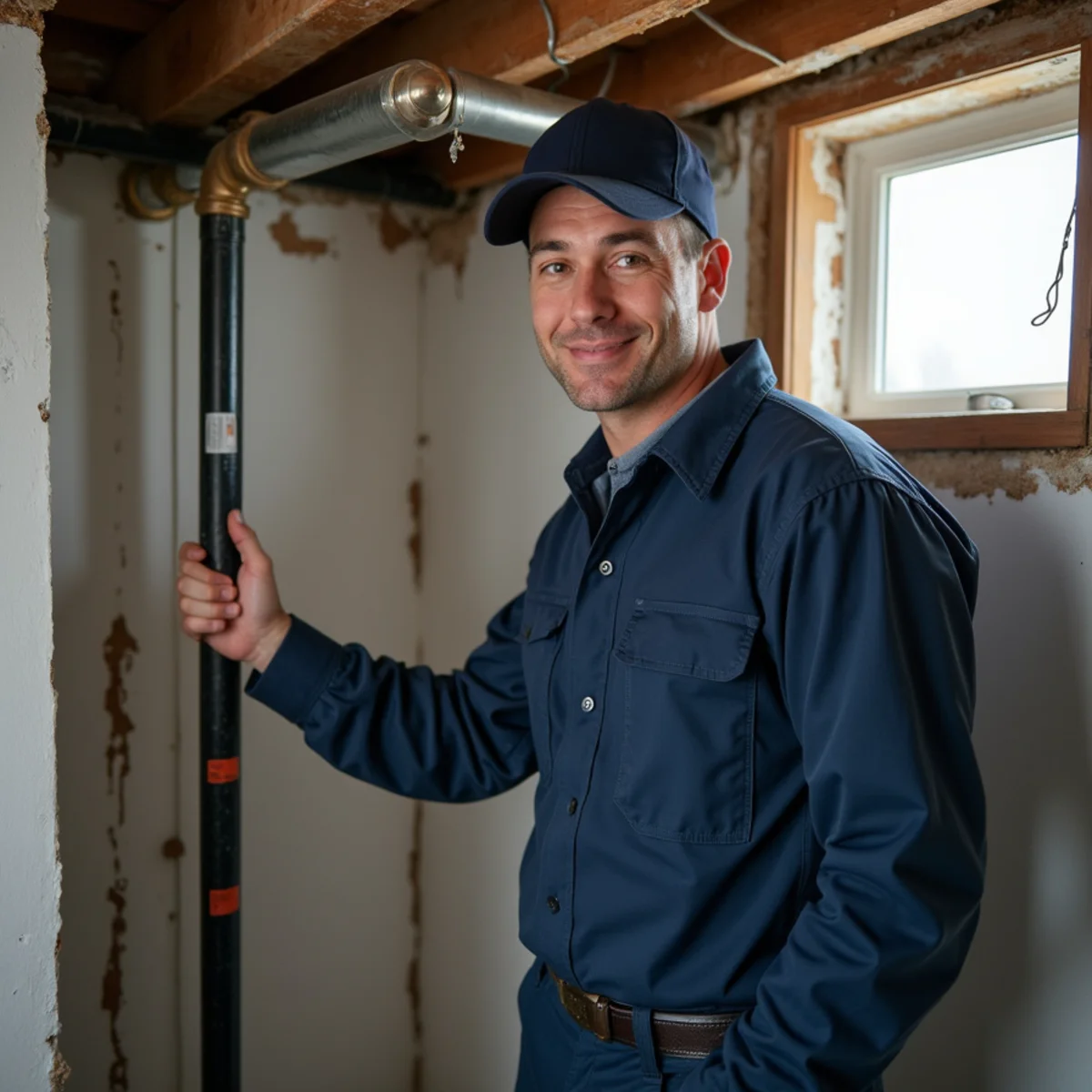
Every few winters, a polar blast drops northern Illinois well below zero, and plumbers spend the following days repairing burst pipes across the region. The homes that come through fine aren't lucky — they're prepared. Here's how to make yours one of them.
Why pipes burst in a freeze
It's a quirk of physics: when water freezes, it expands. Trapped inside a pipe, that expanding ice raises the pressure between the ice and a closed faucet until the pipe splits. Often the split doesn't leak until the ice thaws — which is why a cold snap can be followed by a wave of flooding a day or two later.
Where pipes freeze first
Freezes start in the coldest, least-protected runs: pipes along exterior walls, in unheated basements and crawlspaces, in garages and attics, and outdoor hose bibs left connected. Northern county towns like Harvard and Hebron, which run colder than the rest of the area, see this first and worst.
- Exterior-wall plumbing
- Unheated basements, crawlspaces, garages, and attics
- Outdoor hose bibs and sprinkler lines
- Any pipe in a space that isn't kept above freezing
Prevention before the cold arrives
Most freeze damage is preventable with cheap, simple steps done in the fall. Insulate exposed pipes with foam sleeves, seal air leaks and drafts near vulnerable lines, disconnect and drain garden hoses, and shut off and drain outdoor faucet lines. Keep the garage door closed if water lines run through it.
Inside, keep the thermostat steady day and night during a cold snap — a warm daytime, cold overnight cycle invites freezing. Open cabinet doors under sinks on exterior walls so warm air reaches the pipes.
During an extreme freeze
When the forecast calls for well-below-zero temperatures, let faucets on exterior walls drip slightly. Moving water is far less likely to freeze, and a slightly open faucet relieves the pressure that actually bursts pipes. It's a tiny water bill against a huge repair.
If you'll be away, don't turn the heat off — keep it at a safe minimum, and consider shutting off the main and draining the system if the house will be empty for a long stretch.
If a pipe freezes or bursts
Find a frozen pipe (no water at a faucet in the cold)? Open the faucet and apply gentle heat — never an open flame. Already burst? Shut off the main immediately, open faucets to drain the system, stay clear of water near electricity, and call an emergency plumber.
If the same pipe freezes every year, the lasting fix is rerouting or properly insulating that run. We can find the recurring weak spot and solve it so you're not holding your breath every January.
The recurring freeze that insulation alone won't fix
Foam sleeves solve most freeze risk, but if the same pipe freezes every January, insulation is treating a symptom. The real culprit is usually a cold-air path — an unsealed rim joist, a gap where a line runs through an exterior wall, or a run in a space that simply never stays above freezing.
In those cases the durable fix is air-sealing the draft or rerouting the line into conditioned space. We'd rather solve the recurring freeze once than thaw the same pipe for you next winter.
The Bottom Line
A hard Illinois freeze finds every weak spot, but preparation beats it. Insulate, seal, drain, and drip — and if the same pipe freezes every year, let us solve the underlying cold-air path so you can stop holding your breath each January.
Need a hand from a licensed, family-owned McHenry County plumber? Call (831) 290-4327 — we're available 24/7 — or request a free quote.
Frequently Asked Questions
Risk climbs sharply once it's around 20°F or below, especially for pipes in unheated or exterior spaces and with wind chill. During extreme Illinois cold, take preventive steps even for pipes you think are protected.
Yes, for sinks on exterior walls. Opening the cabinet lets warm room air reach the supply lines underneath, which is a simple, effective way to keep them from freezing on the coldest nights.
Never turn it off — keep it at a safe minimum (typically no lower than 55°F). For longer absences, consider shutting off the main and draining the system so a failure while you're away doesn't flood the house.